


Strong Strong Friends
SORT BY



FAQ
Will this gear fit in a small home or garage gym?
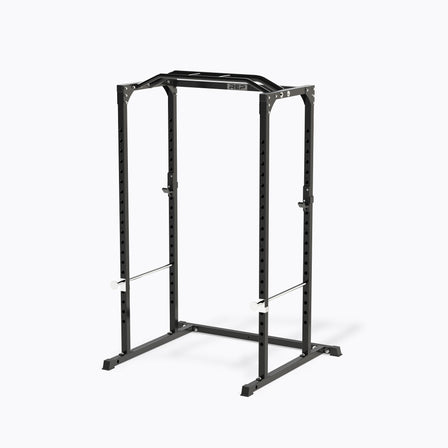
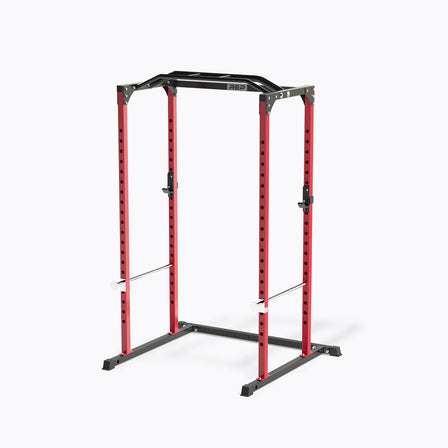
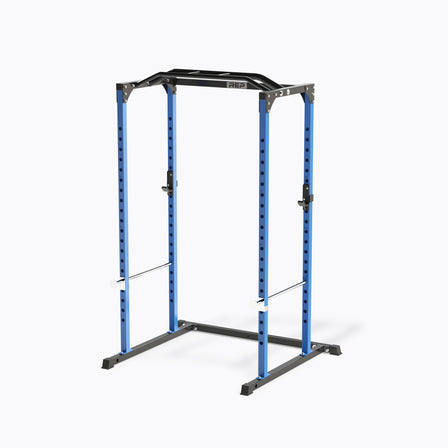
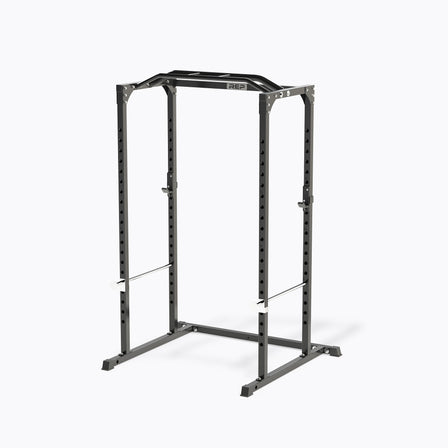
Yes. Bands, dumbbells, and plates store compactly, and a basic power rack typically needs around a 5' x 5' footprint—just confirm ceiling clearance for pull-ups and presses and enough room to fit the length of a barbell on the rack; REP designs its 1000 Series pieces for home gyms.
Do I need a power rack, or can I start with bands and dumbbells?
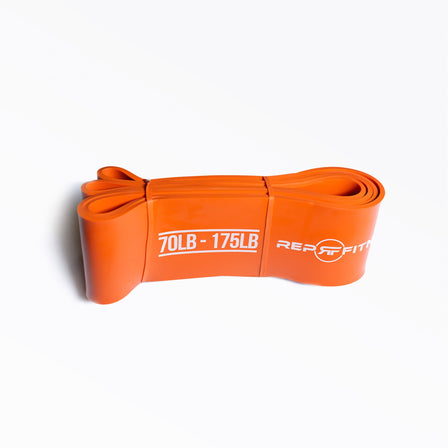
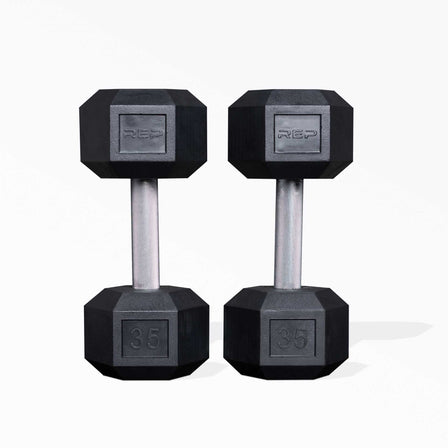
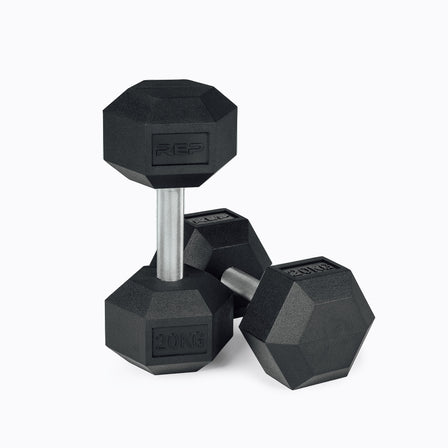
For general fitness, you can progress with resistance bands, a couple pairs of hex dumbbells, and a flat bench. Choose a rack with plates if you plan heavy barbell work or want safeties and a pull-up station—REP’s lineup supports both paths so you can add pieces over time.
Should I choose bumper plates or iron plates?
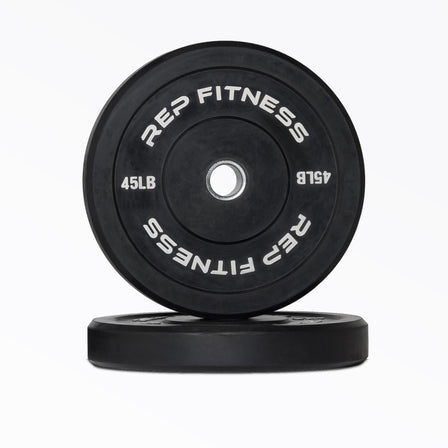
Pick bumper plates if you lift from the floor and may drop the bar (Olympic lifts/CrossFit); choose iron plates when drops are rare and you want thinner plates on the bar. See our breakdown in Bumper Plates vs Iron Plates: Which Is Best?.
What should I look for in a flat bench for my home gym?
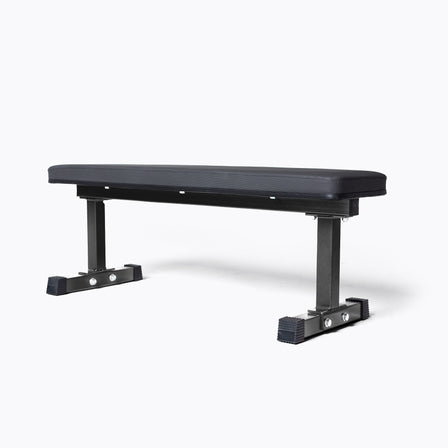
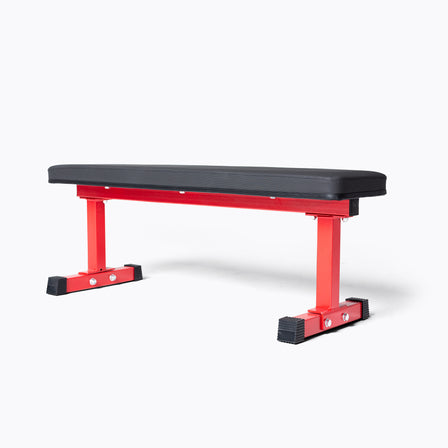
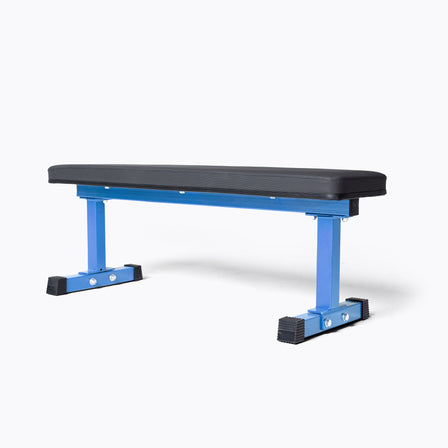
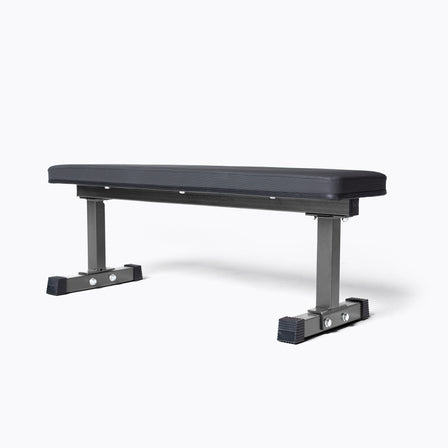
Prioritize a stable frame, bench height and pad width that fit your build, and a weight rating that exceeds your bodyweight plus load; wheels/handles help if you move it often. Compare options in our Flat Bench Comparison Guide.
Do I need barbell collars, and which type is best for training at home?
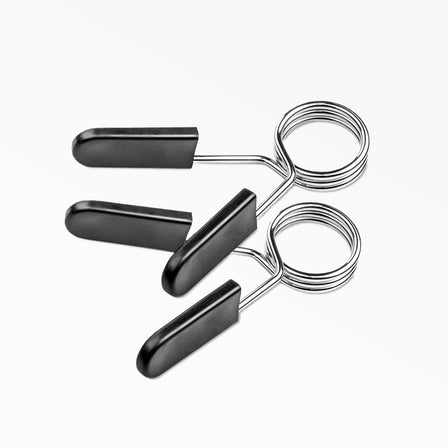
Yes—collars keep plates from sliding during lifts. Spring clips are quick and budget-friendly for everyday training, while clamp-style collars provide a tighter hold for dynamic or heavy work; REP Fitness stocks options to match your setup.