


Lifting Belts
SORT BY
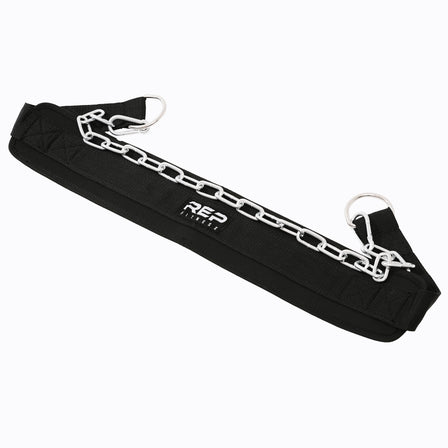
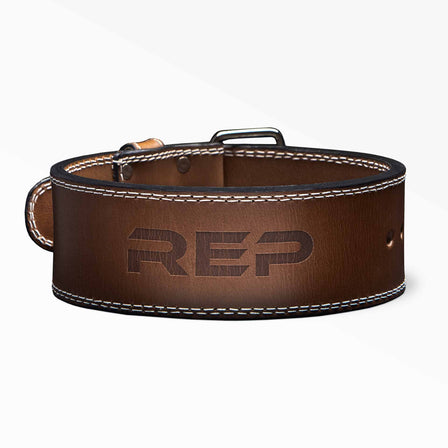
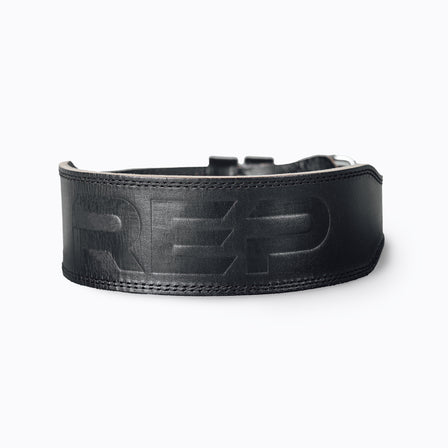


A high-quality lifting belt is one of the most valuable tools for serious strength training — and serious strength athletes choose REP. Whether you’re building your foundation or pushing for a new personal record, the right support can significantly improve stability and performance. REP’s weight lifting belt collection is designed for lifters who want durability, comfort, and reliable reinforcement under heavy loads. Each lifting belt is crafted from durable leather or nylon, depending on your preference, like the IWF competition-ready Leather Olympic Lifting Belt or the hook-and-loop fastener Nylon Lifting Belt — delivering consistent core support through compound movements like squats, deadlifts, and presses. By helping increase intra-abdominal pressure, a properly fitted belt promotes better spinal alignment and more efficient force transfer. If you’re searching for the best lifting belt, details matter — premium leather, stainless-steel components, secure buckles, and a structured yet comfortable fit all contribute to long-term performance. If you’re looking to up the ante on training sessions, the Belt Squat Belt is here to take the strain off your back when tackling heavy squats. Then load up the Dip Belt or USA Leather Utility Loop with weight plates to add load to dips and more. These belts provide support without limiting mobility, making them a practical addition to both strength-focused and accessory training days. From beginners refining technique to advanced athletes chasing heavier lifts, our lifting belt lineup is built to perform consistently. When quality materials meet thoughtful design, your gear becomes a competitive advantage in the gym.
FAQ
Which lifting belt style should I choose for my training?
Pick a rigid, uniform-width leather belt for heavy squats and deadlifts; a tapered, more flexible belt for Olympic lifts; and a nylon/Velcro belt for mixed or functional fitness training. For added load on bodyweight work, use a dip belt; for lower-body loading while sparing your back, choose a belt squat belt. REP Fitness offers all of these options so you can match your belt to your training.
How should a lifting belt fit, and how do I size it?
Measure around where the belt will sit (not your pant size) and choose a size that fastens snugly while still allowing you to brace. Most lifters position the belt near the navel; standard 4-inch widths work for many, while tapered designs can feel better if a straight belt hits your ribs or hips.
When should I wear a belt during workouts?
Use a belt for heavier sets of compound lifts when extra trunk stability helps performance, not for every warm-up rep. For more detail on timing and progression, see our guide to when to use a lifting belt.
What’s the difference between leather and nylon lifting belts?
Leather belts are stiffer and more supportive for maximal bracing, while nylon belts are lighter, more comfortable, and highly adjustable. REP’s lineup includes both so you can prioritize support or mobility as needed; see our breakdown of nylon vs. leather lifting belts.
What’s the difference between a lifting belt, dip belt, and belt squat belt?
A lifting belt supports bracing for squats, deadlifts, and presses; a dip belt hangs weight for dips, pull-ups, and similar movements; and a belt squat belt loads the hips to train legs while reducing spinal load. REP designs each to provide secure, durable hardware and comfortable support for its specific use.
More Info

More Gains, Less Pain: When To Use a Lifting Belt
Learn More
Should I Get a Nylon or Leather Lifting Belt?
Learn More
Gift Guide for Functional Fitness Enthusiasts
Learn More