


Exercise Rollers
SORT BY
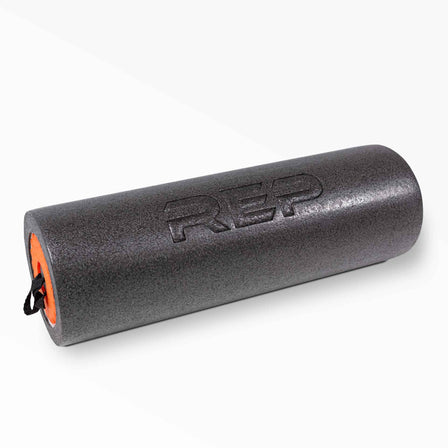
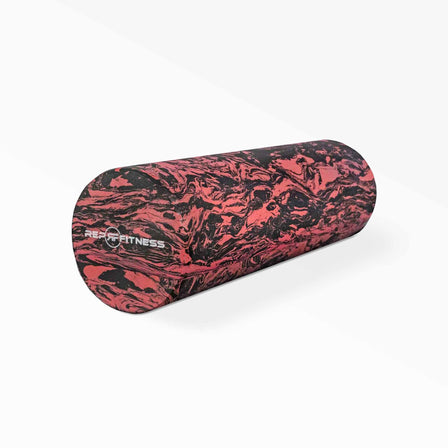
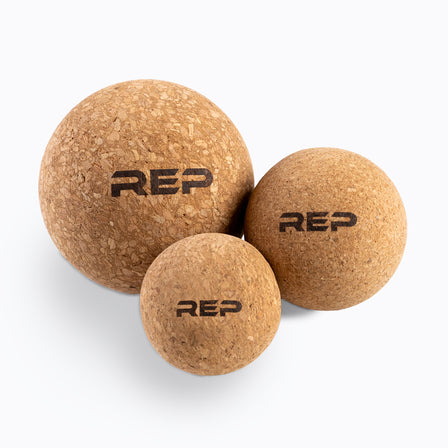
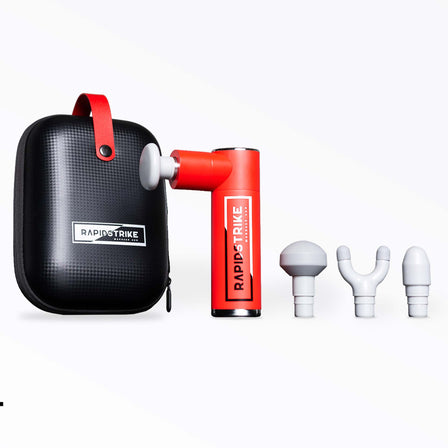
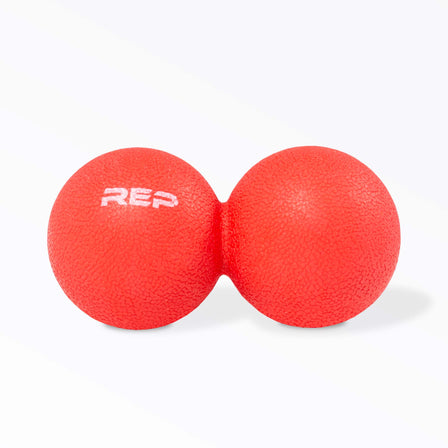
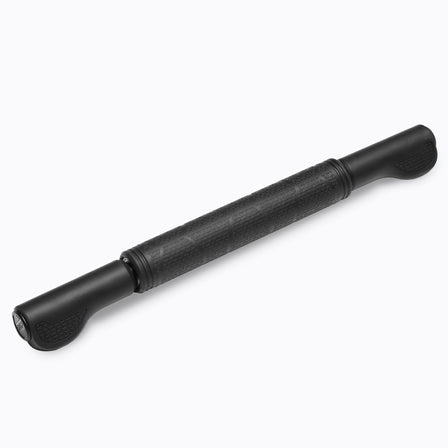

REP’s collection of massage rollers is designed to help you recover faster and feel your best. From foam rollers to peanut rollers or a massage roller stick, these exercise rollers are perfect for improving mobility and relieving tension.Whether you’re targeting your back, neck, or feet, these fitness tools are great for deep tissue recovery and enhancing flexibility. Use a body roller to loosen tight muscles, ease soreness, and improve circulation after a tough workout.Lightweight and portable, REP’s rollers are a must-have for any home gym or fitness routine. Enhance your recovery game with versatile, high-quality rollers that deliver the support your body needs.
FAQ
How do I choose between smooth, textured, and high-density rollers?
Pick based on pressure tolerance and goals: smooth and softer foam is friendlier for beginners, while textured or high-density options deliver deeper, more intense work. REP Fitness offers a range so you can match firmness and feel to your recovery routine.
What size foam roller should I get first?
A 36" roller is the most stable and versatile for full-back and lower-body work, while 12–24" lengths are easier to store and travel with. For targeted areas like along the spine, calves, or feet, compact tools like peanut shapes or balls can be more precise.
Foam roller, peanut roller, massage stick, or massage gun—how do they differ?
Foam rollers cover broad muscle groups, sticks let you control pressure without getting on the floor, peanuts and balls target hard-to-reach spots, and massage guns are quick for precise warm-ups or cooldowns. Many lifters combine tools; REP’s lineup makes it easy to build a kit that fits your space and routine—see our breakdown in the best workout recovery tools.
Can these tools help with post-workout soreness and mobility?
Yes—regular rolling and self-massage are commonly used for myofascial release, easing tightness, and improving flexibility. For ideas on building a routine, check out why mobility matters in our guide to improving mobility.
Are there areas I shouldn’t roll?
Avoid rolling directly on joints, the lower back, or any spot that causes sharp pain; keep pressure on soft tissue. Tools like peanut rollers can cradle the spine while targeting the surrounding muscles, and REP recommends easing into pressure and consulting a professional for acute injuries.
More Info

The 7 Best Recovery Tools From REP To Take You From "Ouch" to "Ahhh"
Learn More
Why Improve Your Mobility -- and How?
Learn More