


Gym Accessories
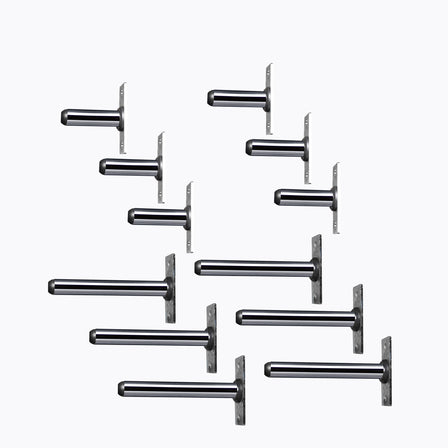
The work doesn't start when you get to the gym — it starts before. Pack your essentials in a gym bag made to hold it all, keep your drinks dialed in with a shaker bottle or tumbler, and protect your furniture from condensation with weight plate coasters.

Attachments

Gym Storage

Conditioning Equipment

Training Accessories
SORT BY


12 Gym Accessory Must-Haves To Keep In Your Workout Bag


How to Use Lifting Straps to Improve Grip and Maximize Your Lifts








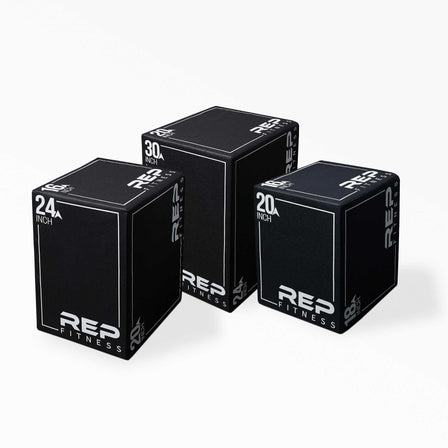
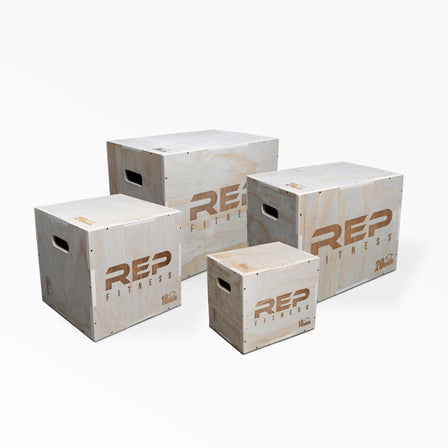
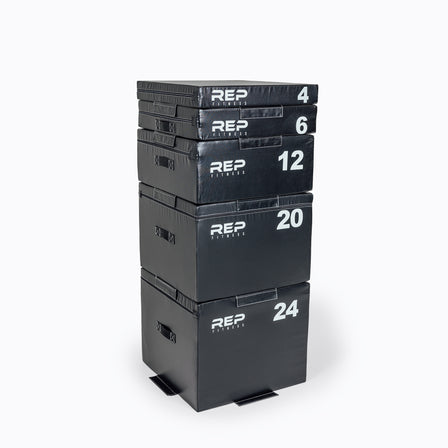
Top Reasons to Add the Best Plyo Jump Box to Your Home Gym











FAQ
Which gym accessories should I buy first for a new setup?
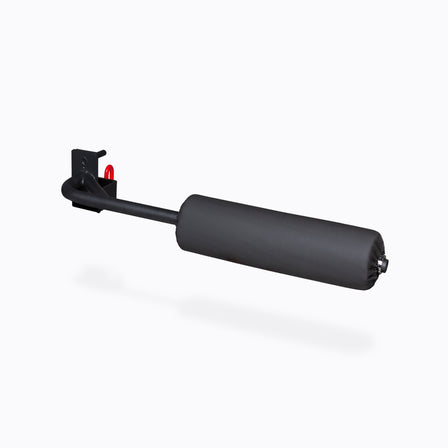
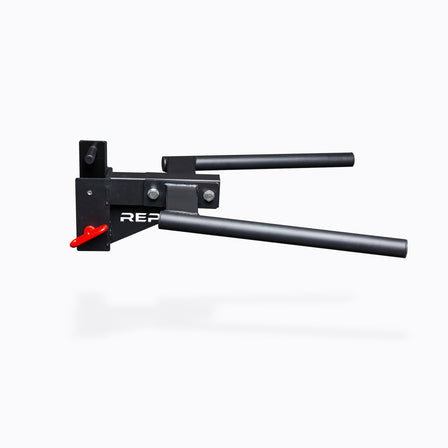
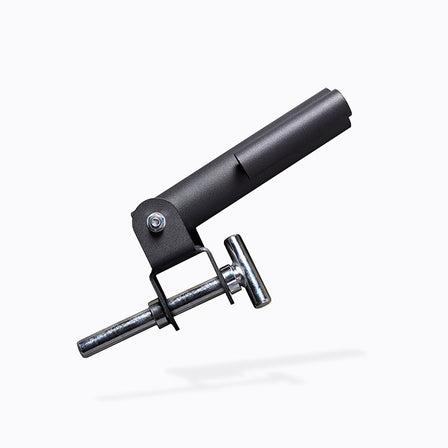
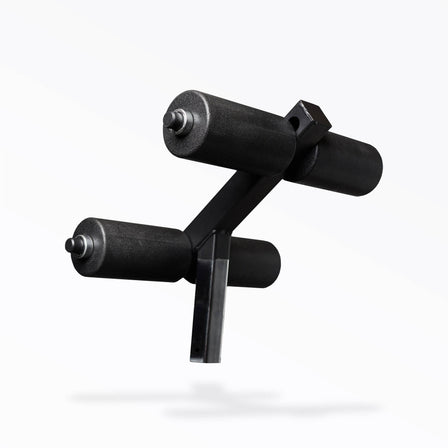
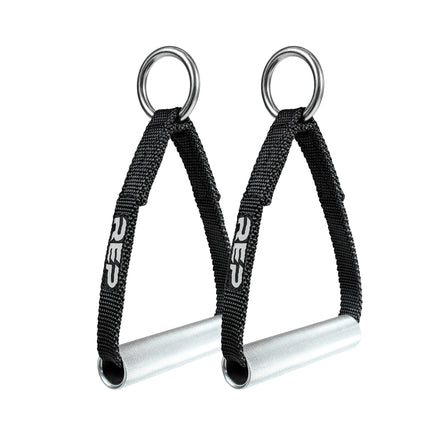
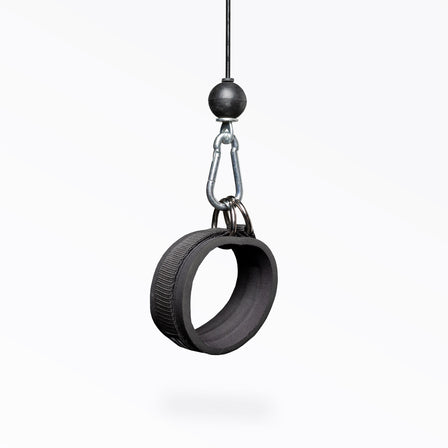
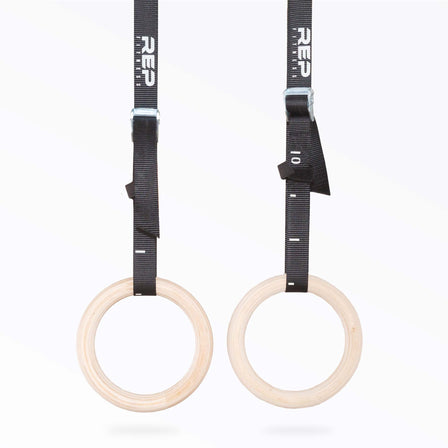
Start with a robust safety solution (spotter arms or internal safeties), then add movement expanders like a pull-up option, dip handles, landmine, or cable attachments, followed by storage. At REP Fitness, we design accessories to build out your rack and keep your space organized.
How do I confirm an attachment will fit my REP rack?
Match your rack series (PR-4000, PR-5000, or 1000 Series), upright dimensions, and hole spacing/size to the attachment; our product pages note compatibility. Staying within the REP ecosystem simplifies fit and future upgrades.
What’s the difference between medicine balls and slam balls?
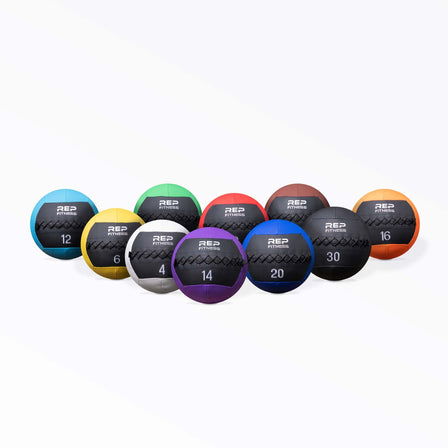
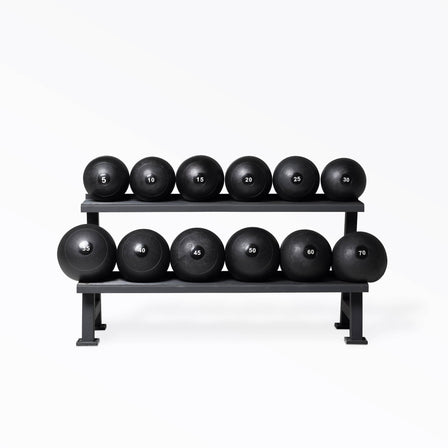
Medicine balls are ideal for throws, wall work, and core drills, while slam balls are built for high-impact slams with minimal bounce. Choose a weight that lets you move explosively with control.
Do I need bands, landmines, or cable attachments if I already lift with barbells and dumbbells?
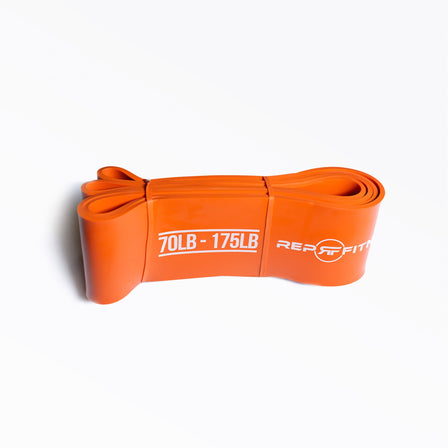
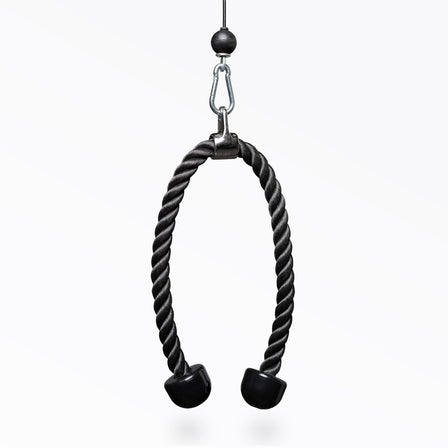
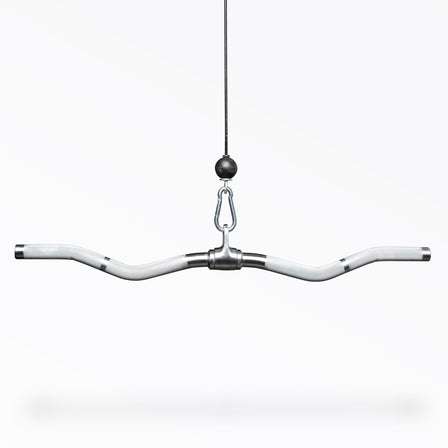
These gym accessories add assistance/resistance curves, rotational and unilateral patterns, and isolation work you can’t easily replicate with free weights alone. They deliver big versatility in a small footprint, especially when paired with a REP rack.
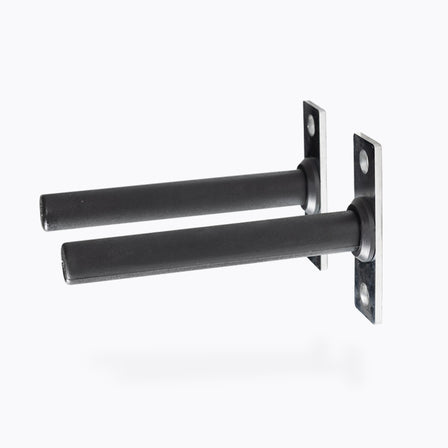
What should I compare when choosing J-cups or safeties?
Confirm rack-series compatibility, then look for bar protection (UHMW liners), weight ratings, and stable locking designs; REP offers multiple styles to match your training. For deeper comparisons, see our guides to how to pick J-cups and the safeties comparison.