


Time to get back on the wagon.
Whether you're new to working out or you've taken some time away because of work, school, family, injury, or a few too many days of "I'll just go tomorrow" that quietly turned into months, the fact that you're here and curious about how to start up means you've already taken the most important first step.
To help get you back on your feet and back in the gym — or wherever you train — we'll walk through how to build a sustainable routine, overcome common mental roadblocks, and set yourself up for long-term success as your return to fitness.
How to Start Exercising Again

As a NASM-CPT and someone who shattered their ankle mid-season during my NCAA women's volleyball career, I've got the tips and tricks that helped me — and can help you — get back into working out after time away.
Start Slow
As you get back into working out, you may feel tempted to pick up right where you left off. But after time away from training, it's normal to lose some strength, endurance, and coordination. Trying to jump back in too fast, without utilizing an appropriate regression, is one of the easiest ways to end up injured.
Start with lighter weights, fewer sets, or shorter sessions than you think you need. This can help give your body time to re-adapt. The muscle tissue you previously built is still there, so don't think of this as starting over — it's simply rebuilding.
And remember to fuel your efforts and stay hydrated!
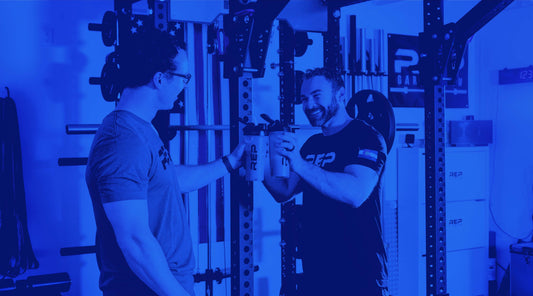
Accountability
Regardless of how commited you are to getting back into working out, some days, skipping your workout will feel way more appealing than actually showing up. That's totally normal — but having accountability in place can help keep you on track.
Accountability can take many forms: a friend you've already planned to meet for a workout, a fitness class you're paying for, or even your own creative system. For example, you could pay your partner $5 every time you skip a workout, or put $5 into a "reward fund" each time you complete a session to treat yourself to something you've been wanting, like a new pair of shoes.
The key is consistency: the more you build accountability into your routine, the easier it becomes to stick with it, even on days when motivation is low.
Choose Training You Like
If heading to the gym has you dragging your heels, find an activity you actually like that gets you moving and working out! Group classes can be a fun way to mix fitness with social hour, yoga and pilates can change up the challenge you're accustomed to, swinging kettlebells can add some fun to your routine, and a home gym setup can have you working out whenever and however you like.
Find the style of training that has you looking forward to it, whether that's boxing, weight lifting, yoga, hiking, beach volleyball, push-ups and squats during commercial breaks, functional fitness, dance — the list goes on!
Prioritize Your Come Back
If you find yourself struggling to make time to tackle your workouts — maybe you're busy with work, school, or family life — try to reprioritize your health and wellness. A stronger, healthier you benefits everyone around you, and investing in yourself isn't selfish — it's necessary.
Set aside dedicated time for your workout and treat it like any important appointment. Or find ways to combine activity with your daily routine, like walking during phone calls or doing short circuits at home.
When I can't make time to sneak off to the gym, I still manage to find movement in my day. Some dumbbell curls between meetings, a set of push-ups after lunch, and even some core work during commercial breaks when I'm winding down and watching a show.
By putting your wellness first, you'll build the energy, focus, and resilience to handle life's demands — and get back into fitness in a way that's sustainable.
Schedule Your Workout
Just like when you really need to accomplish something for work or for your own life, scheduling time to tackle tasks is the best way to set yourself up to get the work done. Same goes for fitness. Set the day and time you'll workout to help make fitness a priority. This can help keep you from procratination or other reasons why you tell yourself, "I'll just go to the gym another time."
This also goes for your recovery. In addition to getting enough sleep, pencil in days when you should utilize active recovery techniques, giving your body time to heal between lifts, runs, and training.
Give Yourself Grace
Sure, maybe you used to lift a ton or tackle the workout with what now seems like ease, but give yourself some grace when returning to training after time away! It took you time and effort to get where you were before, and now it'll take time and effort to get back.
The good news is that those gains won't take as long to rebuild — your muscle fibers are already there, and your body remembers how to move efficiently. Focus on consistency, listen to your body, and celebrate the small victories along the way. Progress might feel slower than you'd like at first, but every workout is a step towards getting back to your strongest self.
While you might want to beat yourself up for not being as strong as you once were, rememeber that consistency is the biggest win to rebuilding and each workout is helping to create a stronger version of yourself.
How Long Should I Workout? And How Often?

Even if you're eager to jump right back into the routine you had before you took time away, it's important to start slowly when returning to fitness. Aim for 20 to 40 minute sessions, three to four times a week, focusing on a mix of light cardio, strength, and flexibility exercises. The CDC recommends at least 150 minutes of moderate-intensity exercise or 75 minutes of vigorous-intensity exercise per week.
Even on days, look for ways to work strength, cardio, and flexibility into your routine. Do bodyweight squats while baking dinner, take a break during work and swing a kettlebell for a minute, avoid the elevator and take the stairs whenever possible — get creative!
Over time, as your stamina and strength improves, you can gradually increase both the duration and intensity of your workouts.
Takeaway
The first step is wanting to get back into a workout routine — next, all you have to do is keep showing up for yourself. Take it easy as you start back up, prioritize your goals, schedule your workouts like any other important commitment, and hold yourself accountable, whether through sheer will power or support tools like workout buddies. Most importantly, cut yourself some slack. Progress isn't about perfection; it's about consistency, patience, and building habits that support you long term.
FAQs
Is it okay to go to the gym everyday?
Going to the gym everyday is totally fine if you're making sure to properly rest and recover between your workouts and alternating the intensity of your workouts. Just be sure to listen to your body, because a day or two away from the gym is the right choice if your body needs to rest.
How long should I workout for?
The amount of time you should workout for depends on who you are, your experience, goals, and available time! The CDC recommends at least 150 minutes of moderate-intensity exercise or 75 minutes of vigorous-intensity exercise per week. If all you have is 10 minutes, tackle 10 minutes! It's a collection of your accumulated efforts that will help move the needle.
Rosie Borchert is a NASM-CPT, former Nike Volleyball coach, and writer whose work has appeared on BarBend, Tonal, ABC, Netflix, and Amazon Studios. If anyone would like to hire her to play beach volleyball, snowboard, binge watch TV, or go climbing, please get in touch.
This article was reviewed by Ashley Boyer, ACE-CPT, for accuracy.
similar to this

Best Workout Clothes Sale: REP Black Friday Apparel Deals 2026
Deep discounts on your favorite gym fits.

Tired of Feeling Tired? Exercise Might Be the Ticket
Feeling drained? When to move and when to rest.
NEWSLETTER SIGNUP
Product launch information, promotions, blogs, and REP news.