


Bumper Plates
SORT BY
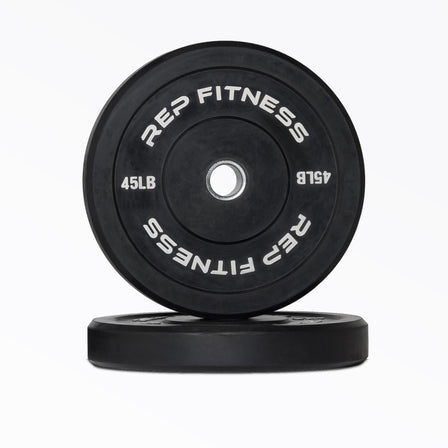
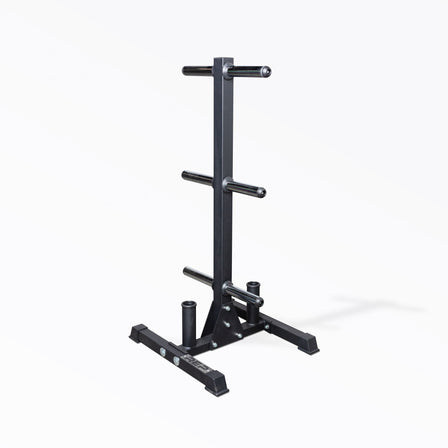
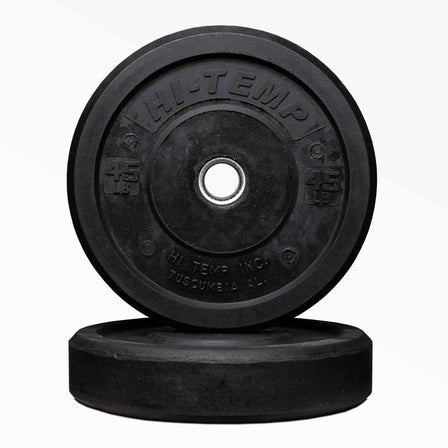
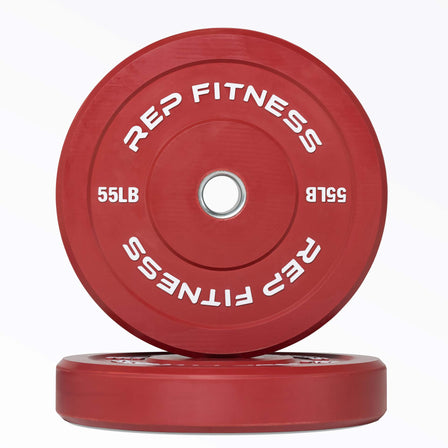
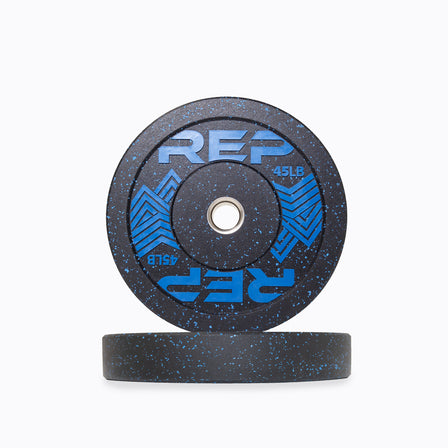
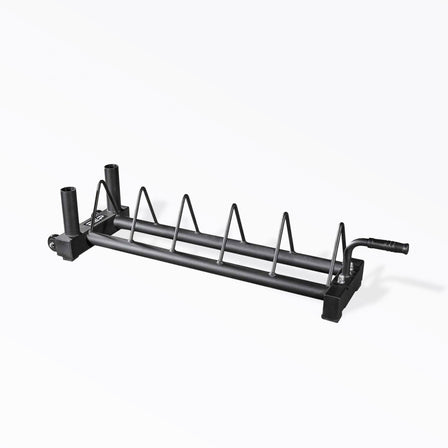
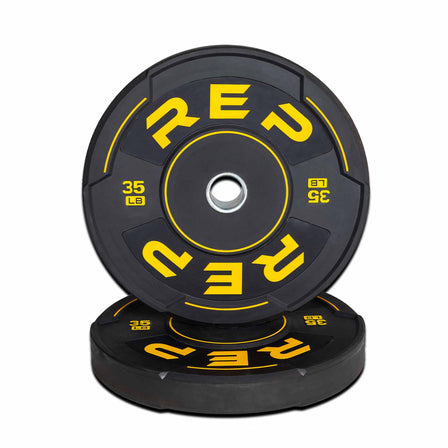
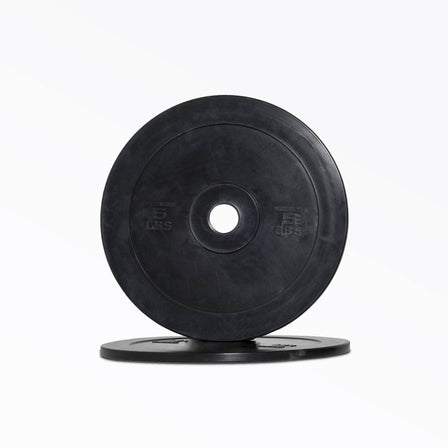
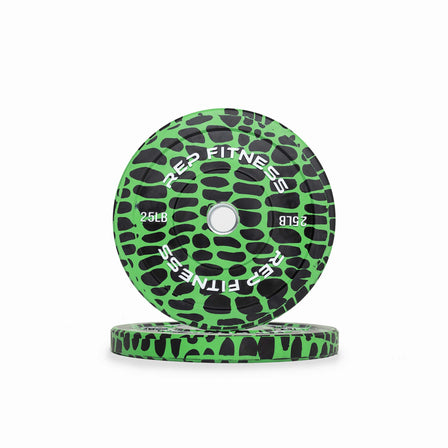
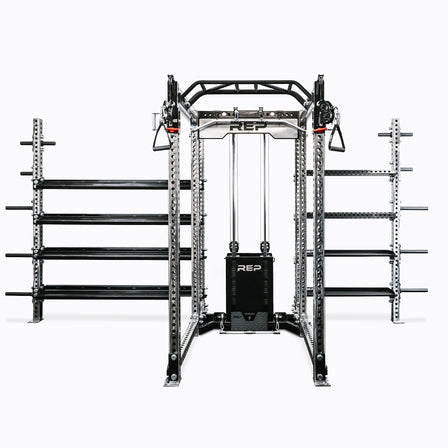
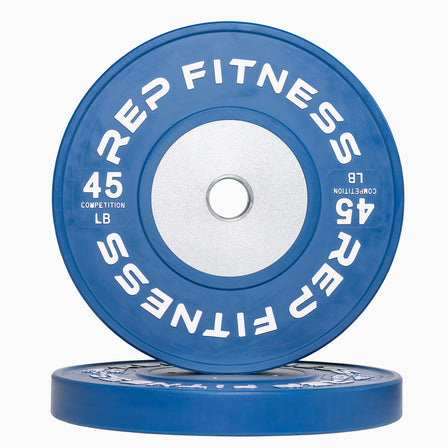
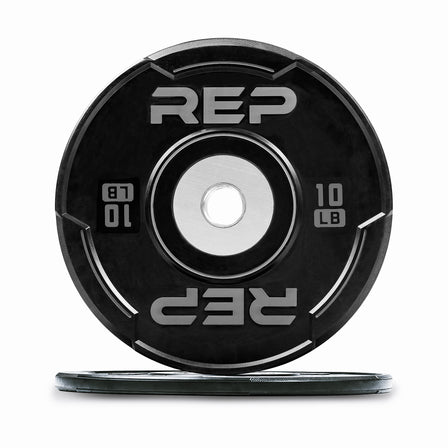
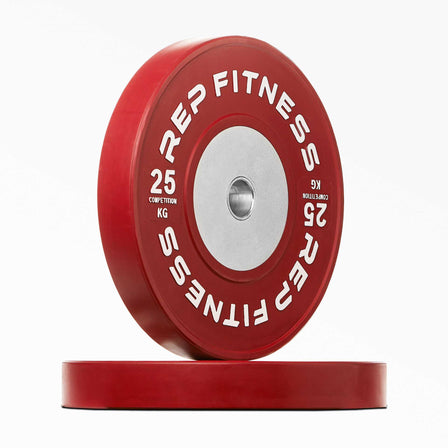
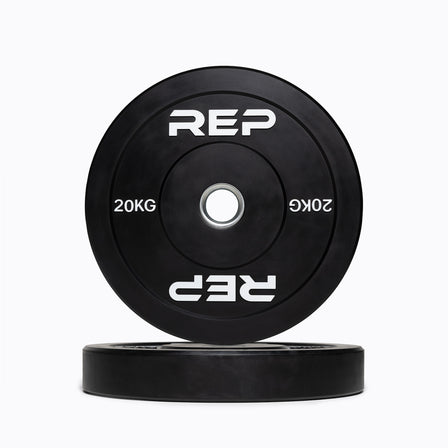
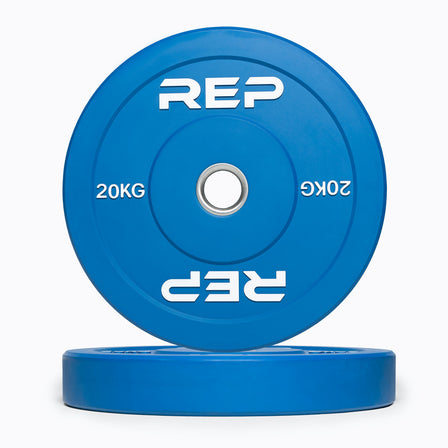
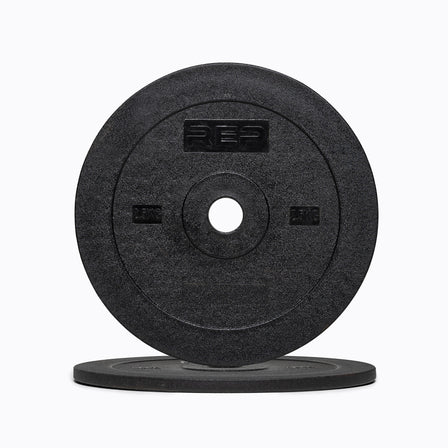


When it comes to building a versatile and durable gym setup, bumper plates are an essential investment. Unlike traditional iron plates, these rubber-coated weight plates are designed to withstand being dropped, protecting your equipment, flooring, and yourself. They’re quieter, more durable, and ideal for everything from Olympic weightlifting to functional fitness. Bumper plates are also great for beginners, as their uniform diameter across weights encourages proper lifting technique.REP offers a variety of bumper plate sets in lbs and kgs, with options ranging from crumb rubber to color-coded and competition-grade plates. Whether you’re looking for stylish artistic accents or environmentally friendly choices, REP has you covered. Pair these plates with our racks to create the ultimate training environment in your home or commercial gym.
FAQ
What are bumper plates, and why choose them over iron plates?
Bumper plates are rubber-coated weight plates designed to be safely dropped, helping protect your bar, floor, and equipment while staying quieter than iron. REP Fitness bumpers are full-diameter across weights to keep the bar at proper pulling height.
How do I choose between REP’s Black, Color, Hi-Temp, Sport, Competition, Technique, and Pinnacle™ plates?
Pick based on use: Black/Color for everyday training, Hi-Temp for quieter lifts and extra floor forgiveness, Sport/Competition for tighter precision and lower bounce, Technique for learning lifts, and Pinnacle™ for premium performance and aesthetics. For a deeper overview, see our guide to how to pick the best weight plates for your gym.
Will these bumper plates fit my barbell and setup?
Yes—REP bumper plates are made for Olympic barbells with 2" (50 mm) sleeves and pair well with proper rubber flooring. If you need to load more weight, choose thinner styles (like training/competition) over thicker crumb rubber options.
How many bumper plates do I need to start a home gym?
Many lifters begin with pairs of 10, 25, and 45 lb plates (or 5, 10, and 20 kg) to cover most lifts, then add extra 45s as they progress. Your ideal total depends on your current strength and goals.
What’s the difference between bumper plates and change plates?
Bumpers are full-diameter rubber plates meant for dropping, while change plates are smaller diameter plates for making fine weight jumps and aren’t designed to be dropped alone. If you’re comparing small plates, see our breakdown of fractional plates vs change plates.