


Whether you're a seasoned pro or just kicking off your fitness journey, hydration is your secret weapon for smashing your goals. Staying hydrated can be the game-changer that keeps you from feeling sluggish and helps you hit those PRs.
Let’s dive into some practical, easy-to-follow hydration tips that will keep you performing at your peak.
Importance of Hydration for Athletes

The Role of Water in Athletic Performance
Water isn't just about quenching your thirst. It’s a powerhouse that keeps your muscles working smoothly, your energy levels up, and your endurance strong. Staying hydrated helps you regulate body temperature, lubricate those hardworking joints, and transport essential nutrients to fuel your workouts.
Dehydration Risks
Skipping out on hydration can lead to some serious performance hiccups. Think muscle cramps, fatigue, dizziness, and a noticeable drop in your game. Watch out for signs like dark urine, dry mouth, and infrequent bathroom trips—they’re your body’s way of saying, "Hey, I need more water!"
What to Drink Before Workout

Hydration Timing
Start your workout on the right foot by hydrating well in advance. Aim to drink about 17-20 ounces of water 2-3 hours before hitting the gym, and then another 8 ounces about 20-30 minutes before you start.
Hydrating Foods
Load up on hydrating foods like cucumbers, watermelons, and oranges. Not only do they taste great, but they're also packed with vitamins and minerals to keep you hydrated and fueled.
What to Drink During Workouts

Fluid Intake Guidelines During Exercise
How much water you need during exercise depends on how hard and long you're working out. For endurance sports, aim for 7-10 ounces of water every 10-20 minutes. For high-intensity workouts, you might need a bit less, but always listen to your body and drink when you're thirsty.
Sports Drinks vs. Water
When should you reach for a sports drink instead of water? If your workout is over an hour or you're sweating buckets in the heat, sports drinks can help replenish those lost electrolytes. For shorter or less intense workouts, water usually does the trick.
What to Drink After a Workout
Rehydrating after your workout is crucial for muscle recovery and repair. It helps restore your fluid levels and replaces the electrolytes you’ve lost.
Rehydration Tips
Aim to drink 16-24 ounces of water for every pound of body weight lost during exercise. Coconut water or specially formulated sports drinks are great options to help you bounce back quickly.
Tools and Products to Keep You Hydrated

The Best Gym Shaker
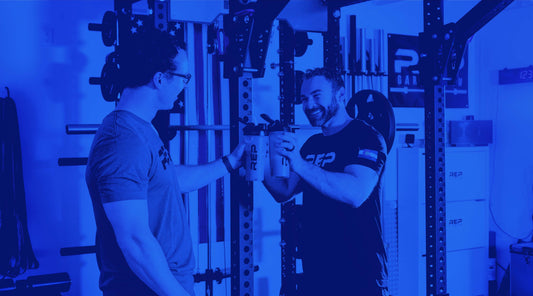
The REP Ice Shaker is your new best gym buddy. This 26oz. premium shaker is crafted from kitchen-grade stainless steel, so it’s tough enough for everyday use. Its double-wall, vacuum-sealed insulation keeps your hot drinks hot, your cold drinks cold, and prevents exterior condensation. Plus, the patented, noise-free twist on the removable agitator allows for on-the-go mixing without the noise. Whether you're at the gym, on the go, or chilling at home, the Ice Shaker has got you covered.
Technology and Gadgets for Hydration
Stay ahead of your hydration game with smart water bottles that track your fluid intake and hydration apps that remind you to drink. These tech tools can help you stay on top of your hydration needs without missing a beat.
Supplements
Water is only part of the equation when fueling for your workout. Here are some additional considerations to add to your water for peak performance, recovery, and muscle growth:
Electrolytes: If your body is fighting through an electrolyte imbalance, chances are you're suffering through fatique, headaches, or worse. Electrolytes are the essential minerals that keep your body running, and can
Creatine: What is creatine? This powder is one of the most well-studied supplements and is commonly taken at 5 grams per day after a loading phase. Creatine helps your muscles produce more energy which looks like an extra rep or two during your workout. This can lead to improvements in muscle mass with consistent training.
Protein Powder: Whether you choose to eat or drink a casein, whey (make from milk), or plant based protein powder, this supplementation can help your reach your daily protein goal to support muscle growth. Especially useful when working to lose weight but maintain muscle mass.
[Read More: Lead in Protein Powder]
Pre-Workout: This supplement is taken before your workout (hence the name) and typically features a good amount of caffeine or other forms of stimulants to help prep you for your gym session. Additionally, they also tend to include other ingredients like nootropics to support focus, as well as citrulline malate, beta-alanine, and betaine anhydrous to increase endurance, provide a better pump, improve muscle recovery, and more.
[Read More: Creatine vs. Pre-Workout]
Hydration for Different Sports

Different sports have different hydration needs. Long-distance runners may need more frequent hydration breaks with electrolytes, while team sports players might benefit from scheduled hydration during breaks.
Hydration for Lifting Weights
Lifting weights can make you sweat buckets, especially during intense sessions. Make sure to hydrate consistently throughout your workout. Aim to drink water or an electrolyte beverage every 10-15 minutes, especially if your session lasts over an hour. After lifting, replenish lost fluids to help with muscle recovery and reduce soreness. Drinks with added protein can also support muscle repair.
Quick Hydration Tips and Tricks
Type of workout: For weight lifting workouts, drink a pre-workout before (if you're not sensitive to stimulants), water during, and a protein shake with creatine afterwards. Endurance efforts will require electrolytes and some carbohydrates to provide energy throughout your training.
Length of workout: The workout you're tackling will heavily dictate how much water and/or electrolytes you need. Most workouts under an hour, reach for some water before, during, and after your workout. Intense workouts over an hour, add some low sugar electrolytes to your water to help prevent fatique and/or cramps.
Best choice: Before your workout, water and a low-calorie caffeinated beverage like a pre-workout, black coffee, or tea are ideal for a quick boost. During and following your training, water is always a good option, but when you're a heavy sweater or tackling a longer workout, a low sugar electrolyte drink is great.
What to avoid: To avoid excess calories, avoid sugary electrolyte drinks, unless you're tackling an extended workout where energy support is needed. Also, steer clear of alcohol, soda, fruit juice, or energy drinks with high amounts of sugar or caffeine.
How much to drink: Drink about 14 ounces of water an hour or two before your workout, then take small sips through your training.
TLDR; Short and easy workouts, go for water. Sweaty and long, reach for an electrolyte beverage. Long endurance efforts, toss back some electrolytes and carbs.
Bottom Line
Staying properly hydrated is essential for any lifter aiming to perform at their best. By following these hydration tips, you can ensure that your body stays fueled and ready to tackle any challenge.
FAQs
Should I drink electrolytes before or after workout?
Yes! Electrolytes before your workout can help prep your body for the upcoming work, while electrolytes after your workout can replenish what your body lost through sweat.
How do electrolytes enhance pre-workout hydration?
Drinking electrolytes before your workout, espeically if you know you'll be sweating or working out for an extended period, can help prepare your body for the work. This supplementation can help prevent dehydration, fatique, and lack of focus while you're working out.
similar to this

Microdosing and the Rise of the Psychedelic Pre-Workout
From tripping balls to slam balls.

An Hour for You: Reclaiming Your Time for Health and Wellness
You've got 3,600 hidden seconds — an hour — just waiting to be used.
NEWSLETTER SIGNUP
Product launch information, promotions, blogs, and REP news.