


Bodyweight & Mobility
SORT BY



















FAQ
What essentials should I start with for bodyweight and mobility training?
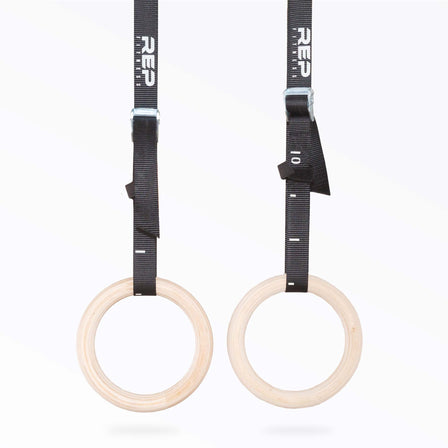
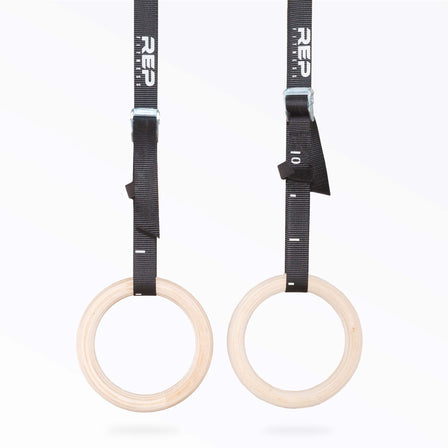
Begin with a mat, a couple of resistance bands, and a foam roller; add rings or a suspension trainer and a pull-up bar as space allows. REP Fitness gear is portable and built to fit small home gyms.
How do I choose the right resistance bands and levels?
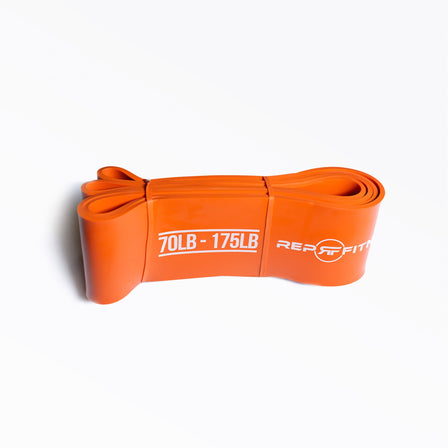
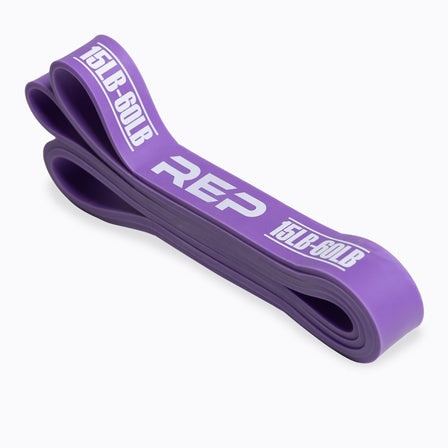
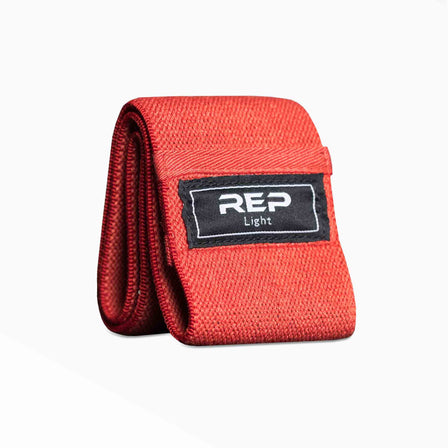
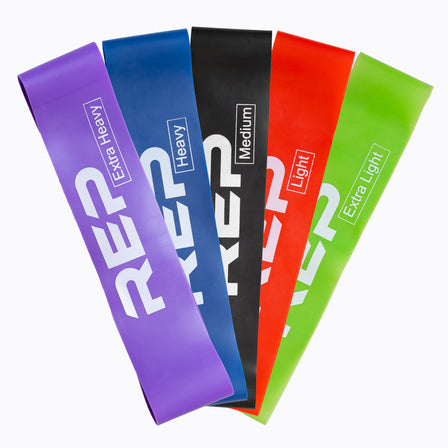
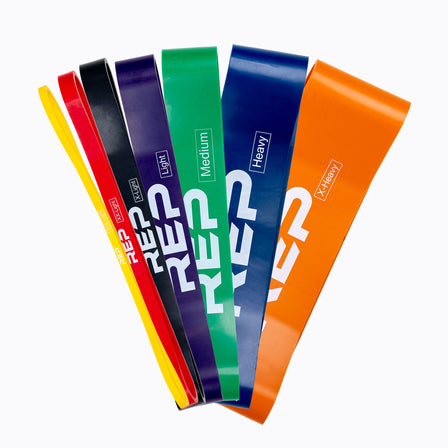
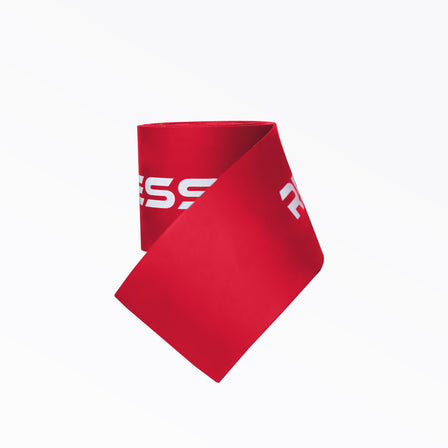
Match the band to the task (long pull-up bands for assistance, short loops and hip circles for lower body), and pick 2–3 resistance levels so you can progress; REP also offers latex-free options for allergies. For details on types and uses, see our guide to exercise bands.
Do I need a permanent mount for pull-ups or a suspension trainer?
Permanent wall/ceiling mounts provide maximum stability and clearance, while door anchors are great for renters or travel—always verify stud spacing and weight ratings. Our pull-up bar comparison guide breaks down mount types; REP offers multi-grip and wall/ceiling bars plus TRX® anchors.
What’s the difference between an exercise mat and a yoga mat?
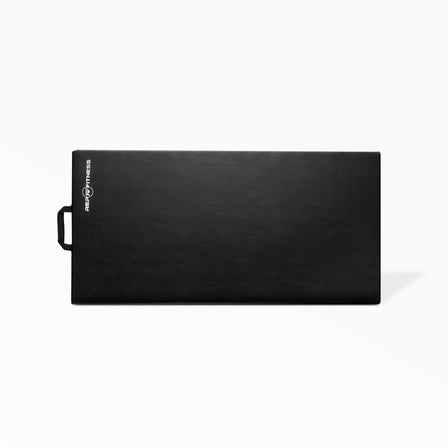
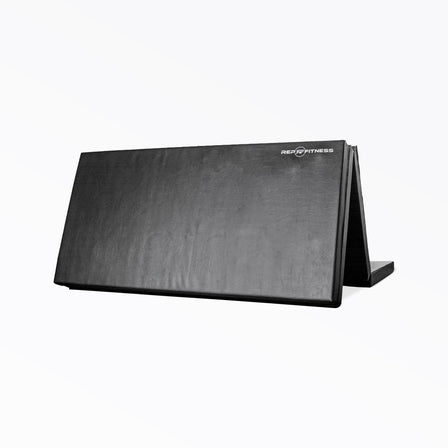
Exercise mats are typically thicker for cushioning core work and floor drills, while yoga mats are thinner with more grip for standing poses and balance. If you want one do‑it‑all option, choose a mid‑thickness mat with solid traction.
How heavy should a weight vest be, and are plates included?
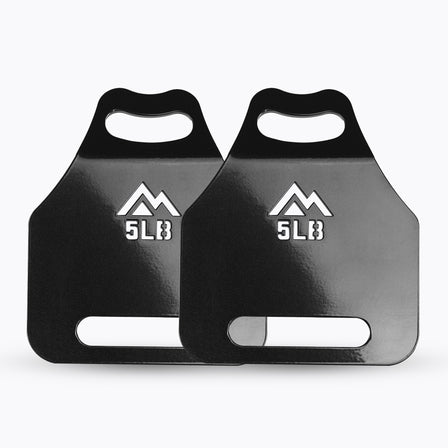
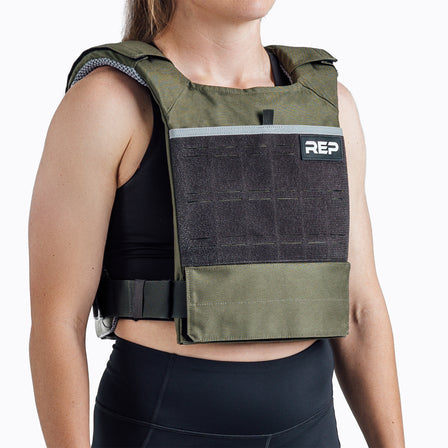
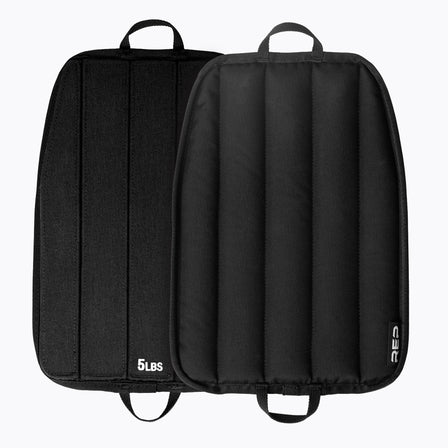
For conditioning walks or longer sessions, start around 5–10 lb and increase gradually; for calisthenics, use the lightest load that keeps form solid. REP’s Strata™ weight vest accepts interchangeable plates, available separately or bundled.