


Equipment
SORT BY




















FAQ
What do I need for a solid home gym starter setup?
Most lifters begin with a power rack or squat rack, an adjustable bench, an Olympic barbell with plates, and a few dumbbells or kettlebells. REP Fitness offers a modular ecosystem, so you can add attachments and storage as your training grows.
How do I choose the right REP power rack series?
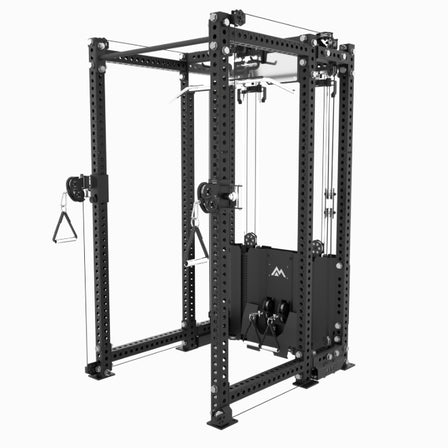
Match your rack to your space, ceiling height, and attachment needs—both PR-4000 and PR-5000 are heavy‑duty, modular options from REP Fitness. For a detailed side‑by‑side, check our PR-4000 vs PR-5000 rack comparison.
Which rack attachments should I start with?
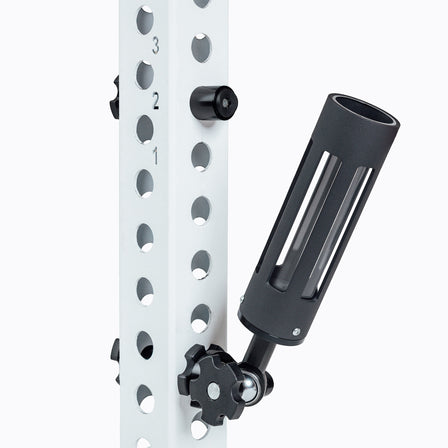
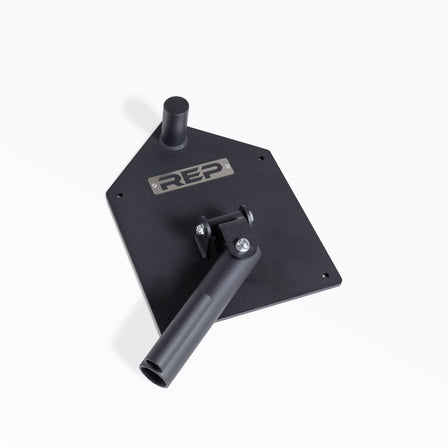
Most home gyms start with J‑cups, safeties/spotters, and a pull‑up bar, then add a cable system, dip arms, landmine, or leg rollers as space and budget allow. Make sure each attachment matches your rack series; our guide to customizing your power rack breaks down popular options.
How do I choose the right barbell for my training?
Pick based on your focus (powerlifting, Olympic, or mixed use), preferred knurl, diameter, sleeve spin (bushings vs bearings), and finish for corrosion resistance. A multi‑purpose bar can cover most lifts, while specialized bars shine for specific styles.
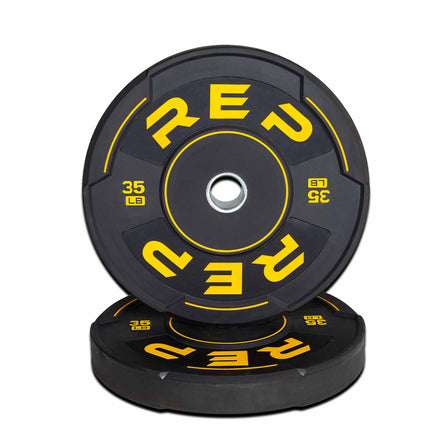
Should I choose bumper plates or iron plates for a home gym?
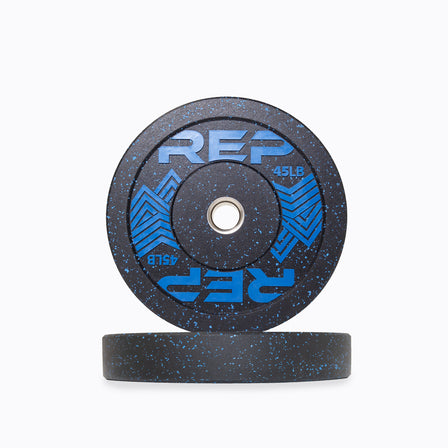
Bumper plates are ideal if you’ll drop bars or want to reduce noise and protect floors; iron plates are thinner and typically let you load more weight in a compact stack. REP offers both types so you can match your space, lifts, and budget.
