


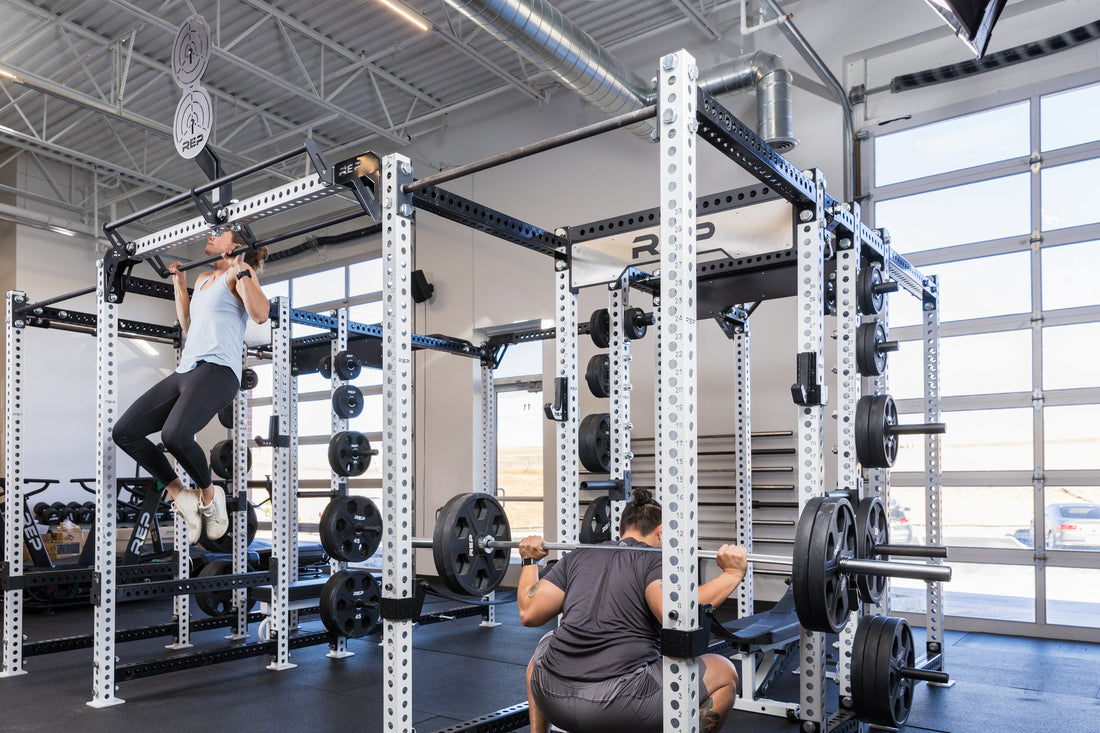

Optimize fat loss. Preserve strength.
There's a lot of buzz around semaglutide, both good and bad, and one of the downsides of these weight loss drugs is a loss of muscle mass. These drugs work, and they are very helpful for targeting obesity, but it's because they are so successful that they have some negative body composition effects. But strength training and proper nutrition can help you hold onto your muscle while semaglutide does its thing on the fat.
How Does Semaglutide Work
Semaglutide is a GLP-1 receptor agonist, which is a fancy way of saying it mimics a hormone your body already makes called glucagon-like peptide-1 (GLP-1). This hormone helps regulate blood sugar by boosting insulin and lowering glucagon. It also sends signals to your brain that dial down hunger, increase fullness, and reduce cravings, especially for fatty and energy-dense foods. Semaglutide can reduce food intake by about 35-40% compared to a placebo.
Early on, semaglutide also slows down how fast your stomach empties, which adds to feeling full. Over time, that effect fades, but the appetite suppressing effects in the brain stick around. Long-term studies show that people on semaglutide maintain better hunger control, fewer cravings, and improved eating behaviors for up to two years.
Semaglutide also shifts food preferences away from high calorie options like sweets and fatty foods. So it’s working on multiple levels to cause less hunger, fewer cravings, and a natural draw toward lighter choices.
Does Semaglutide Cause Muscle Loss
Semaglutide is very effective for fat loss, but up to about 40% of the total weight lost can be lean mass (which includes muscle). In one major trial, that added up to about 13% of baseline lean mass gone over 68 weeks, which is roughly equal to what you’d normally lose over 20 years of aging. A lot of muscle to give up in a year and change.
Older adults and people who are already dealing with low activity levels or frailty are at the highest risk. Losing muscle at that rate can lead to sarcopenia (age-related muscle wasting), weaker grip strength, slower walking, and a greater risk of falls. If you’re over 50 and strength training, this is especially important to keep in mind.
It's worth noting, though, that any form of weight loss causes muscle loss, not just the kind that comes with weight loss drugs. It's just the speed and effectiveness of these drugs that can lead to so much muscle being lost so quickly. If you decide to lose weight through diet alone, you'll still lose muscle, though you may lose less since it'll likely be a slower process with less total weight loss.
Why Strength Training Matters on Semaglutide

Lifting weights is the single best thing you can do to protect your muscle while losing weight on semaglutide. Lifting with a trainer or other professional for at least 10 weeks can add roughly 3 kg of lean mass and improve strength by about 25%, even during a calorie deficit (if you don't have a trainer, a well designed program with progressive overload should do the trick).
Research pretty much nails down resistance training as the go-to strategy for minimizing muscle loss during GLP-1 therapy. In one case report only 2.5% of the weight lost was lean mass when people lifted and ate enough protein. But in a major trial without strength training or protein support, participants lost 39% of their lean mass — about 15 times more.
One small case series even found that some people on these drugs gained lean tissue while losing significant fat when they trained often and ate high protein.
Read More: Semaglutide and Exercise
How to Train on Semaglutide
All you really need are the basics. Multi-joint exercises like squats, deadlifts, rows, and presses 2-3 times per week will get you pretty far, and is definitely all you need if you're a beginner. These compound moves train multiple muscle groups at the same time, which is exactly what you need when your body is in a calorie deficit and you need to prioritize preserving your muscle mass.
If you’re new to lifting, a full-body dumbbell workout is a good place to start. Focus on 3-4 sets of 6-12 reps per exercise with weights that challenge you in the last two reps. Progress gradually by adding small amounts of weight or extra reps each week, and rest 2-3 minutes or so between sets on big lifts.
Mixing in some cardio is smart as well, even a couple of sessions per week to support your heart health and conditioning without eating into your recovery. Just make sure lifting stays the priority if keeping muscle is the goal.
Read More: Hyrox Training Nutrition Plan
How Much Protein Should I Eat on Semaglutide
Protein is your other BFF when you're trying to preserve muscle. When you’re eating fewer calories overall (which semaglutide pretty much guarantees), getting enough protein becomes even more important for holding onto muscle. Research recommends high quality protein combined with resistance training as the best strategy for people on GLP-1 medications.
Aim for at least 1.2 to 1.6 grams of protein per kilogram of body weight every day, spread across your meals. If you’re training hard, shooting closer to 1.6 g/kg or higher is likely to get you better results. Since semaglutide tends to reduce appetite, you might find it tough to eat enough protein from food alone. A good whey protein isolate or high protein bars can help you get your protein in without making you feel stuffed.
If you don't already, getting a good grasp on your ideal macros helps you keep protein front and center while still hitting your calorie and nutrient targets. Prioritize lean meats, fish, eggs, dairy, and legumes alongside clean protein snacks to pack in the nutrients at the same time.
Read More: How to Use Protein Powder for Muscle Growth
Takeaway
Semaglutide is powerful for weight loss, but losing muscle along with fat can set you back, make it harder to keep the weight off, and leave with a disappointing body composition. It's important to focus on strength training and protein to prevent muscle loss and even help you build muscle while the fat comes off. Start lifting when you start the medication (not after the muscle is already gone), eat enough protein at every meal, and focus on big compound movements 2-3 times per week to give yourself the best shot at the healthy body you hoped for.
FAQs
How long does it take for semaglutide to suppress appetite?
Most people notice less hunger within the first few weeks. Studies show clear changes in appetite by 5 to 12 weeks, with much better hunger control and fewer cravings by week 20. These effects last for up to two years if you keep taking the medication.
Why am I not losing weight on semaglutide?
Weight loss on semaglutide depends on more than just the medicine. If you are still eating more calories than you burn, your weight loss will stop. Eating well, staying active, sleeping enough, and managing stress all matter. Some people also react differently based on their dose, how long they have used it, or their metabolism. Talk to your doctor if the scale is not moving.
How does semaglutide affect my protein needs?
Since semaglutide lowers your appetite and makes you eat less, it is easy to miss your protein goals without knowing it. Research suggests focusing on getting enough protein when using semaglutide in order to protect your muscle. Aim for 1.2 to 1.6 grams of protein for every kilogram of body weight each day, and try to have protein with every meal.
Does semaglutide burn fat?
Semaglutide helps you lose fat mostly by making you eat less, lowering cravings, and helping you pick lower calorie foods. It does not directly "burn" fat like exercise does, but the lower calorie intake leads to weight loss over time.
Rachel MacPherson is a Certified Strength and Conditioning Specialist, Certified Personal Trainer, Nutrition Coach, and health writer with over a decade of experience helping people build strength and confidence through evidence-based training.
This article was reviewed by Rosie Borchert, NASM-CPT, for accuracy.
similar to this

Postpartum Cardio: How to Get Your Heart Rate Up Again After Baby
New baby, new game plan.

Cardio vs Conditioning: Which One Do You Need?
Heart health or high performance?
NEWSLETTER SIGNUP
Product launch information, promotions, blogs, and REP news.