


Rob Kearney's Home Gym
SORT BY






FAQ
What’s the difference between a power rack and a yoke for this kind of setup?
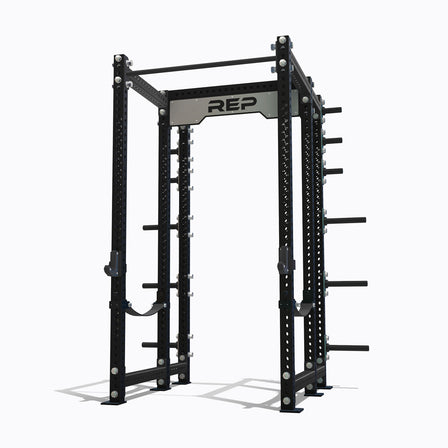
A power rack (like REP’s PR-5000) is a fixed station for barbell lifts with safeties and attachments, while a yoke (such as the Oxylus™) is built for loaded carries and can double as a squat/press stand in tight spaces. Choose a rack for maximum versatility and spotter safety; pick a yoke if you want strongman carries and a movable station.
How do I choose the right power rack for my space and training?
Check ceiling height, rack depth (4-post vs 6-post with storage), safety style, and attachment ecosystem. REP’s PR-5000 is modular and built to expand; see our guide to choosing a pre-built PR-5000 power rack.
Which weight plates are best for this setup?
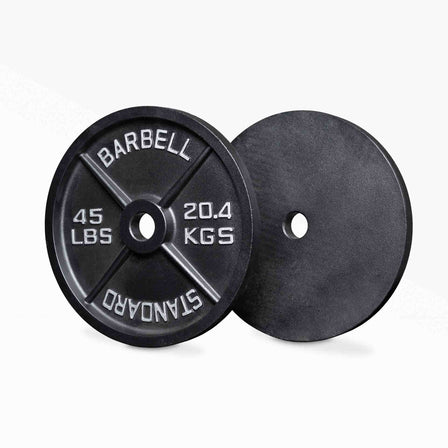
Iron plates are thinner and budget-friendly for heavy loading, while bumper plates reduce noise and protect floors if you drop lifts. For a quick comparison, see bumper plates vs. iron plates.
Is a GHD worth adding to a home gym?
A GHD is great for posterior-chain and trunk work (glute-ham raises, back extensions, sit-ups) if those movements are a priority. Make sure you have the footprint for it and place it where it won’t interfere with your rack or yoke.
What storage should I add to keep my gym organized?
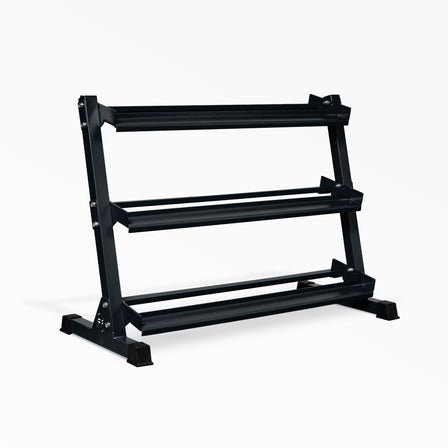
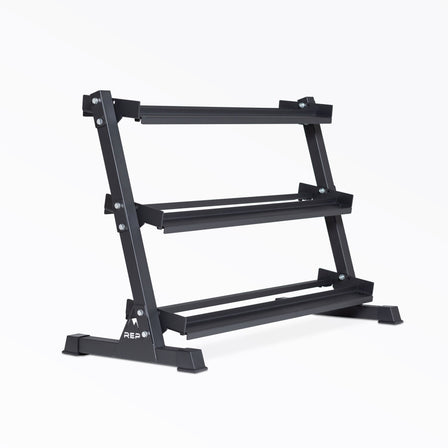
Use a dumbbell rack for fixed bells, a wall-mounted gun rack for barbells, and plate trees or shelves for weights. REP’s storage options let you match capacity to your footprint so your rack or yoke area stays clear for lifting.