


Stall Mats
SORT BY
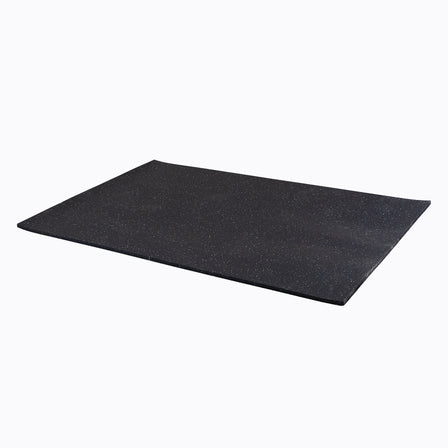
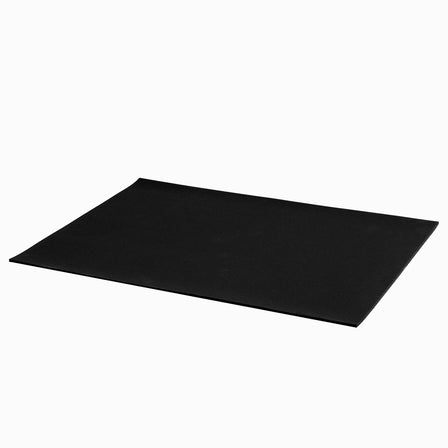
FAQ
How thick should my gym flooring be?
For heavy barbell work or dropping bumper plates, choose about 3/4" dense rubber; for machines, cardio, and general training, 3/8"–1/2" is typically enough. For planning your space, see our guide to the best flooring for your home or commercial gym.
Should I choose 3'x4' or 4'x6' mats?
REP’s 4'x6' mats cover more area with fewer seams, making them ideal under racks and heavy lifting zones, but they’re heavier to move and may require freight delivery. 3'x4' mats are lighter, easier to handle, and better for irregular spaces or modular layouts.
Do rubber stall mats smell, and will the odor go away?
New rubber mats can have a noticeable scent that fades over days to weeks; air them out, ventilate the room, and wipe them down before use. Fitness‑specific rubber like REP’s typically has lower odor than agricultural stall mats.
Can I install these mats myself, and what surfaces are best?
Yes—most customers DIY install by dry‑laying over flat, firm surfaces like concrete or plywood; avoid thick carpet, plan seams, and trim as needed. Dense REP mats are heavy and tend to stay put without adhesives in typical home gyms.
How do I clean and care for rubber gym flooring?
Sweep debris and mop the smooth, non‑porous surface with a mild cleaner; avoid harsh solvents. For step‑by‑step tips, see our rubber gym floor cleaning guide.