


Mobility
SORT BY














FAQ
Which mobility and recovery tools should I start with?
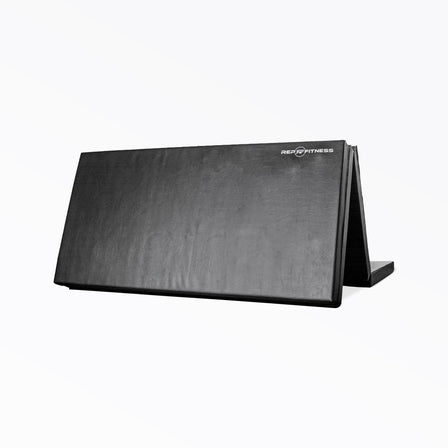
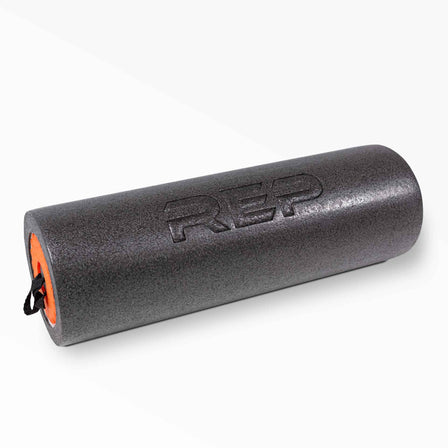
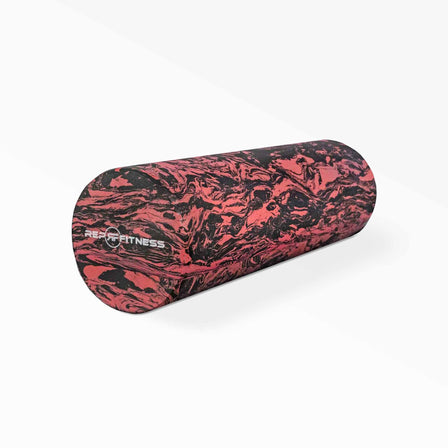
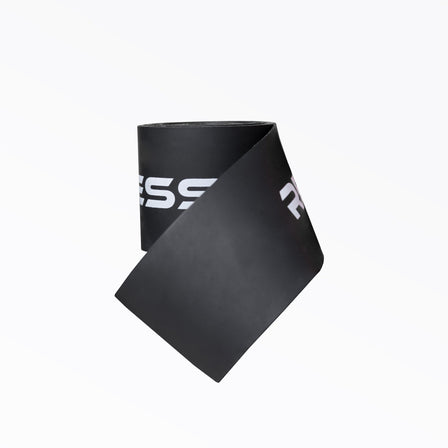
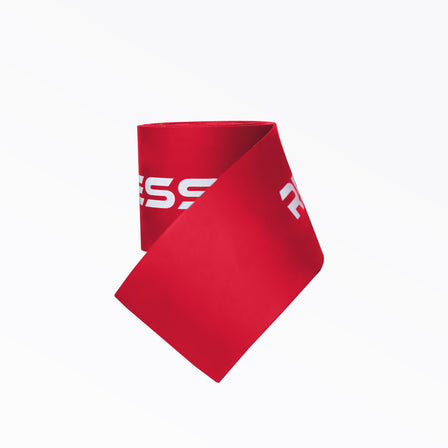
A foam roller for broad tissue work, a couple of resistance bands for activation and stretching, and a mat for floor exercises cover most needs. At REP Fitness, we curate these essentials so you can warm up, move better, and recover consistently.
How do I choose between long loop bands, hip bands, and tube bands?
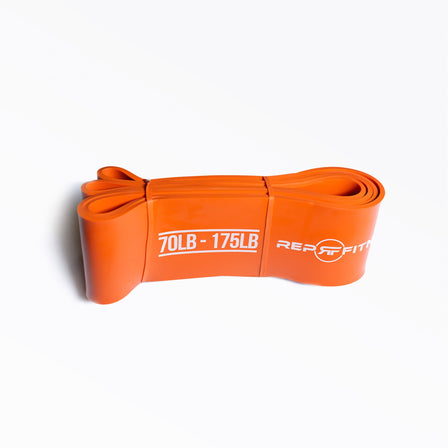
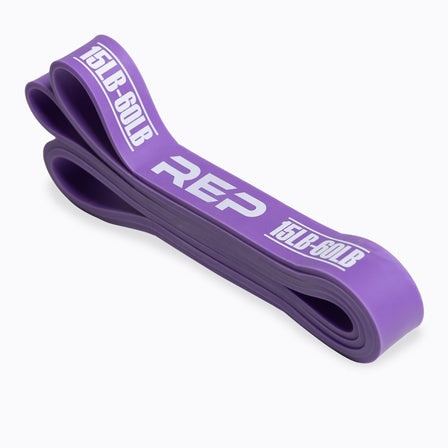
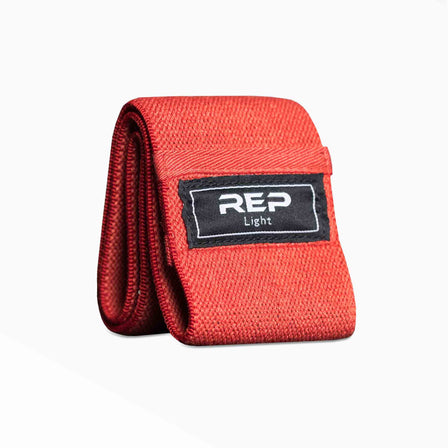
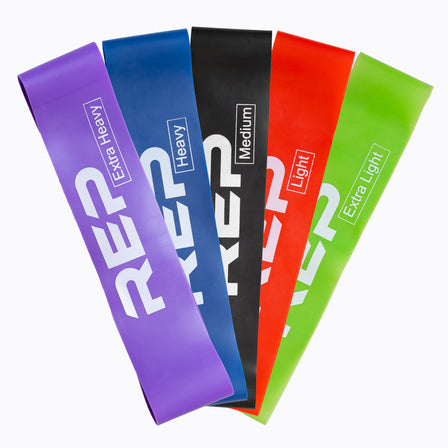
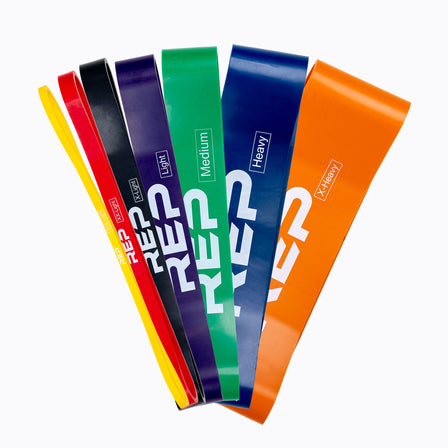
Long loop (pull-up) bands handle assistance, stretching, and general strength; hip bands target glute/hip activation without rolling; tube bands with handles mimic cable moves and are space-efficient. For a quick overview, see our guide to the different kinds of exercise bands, and note REP Fitness also offers latex-free options if you have allergies.
What foam roller density or style is best?
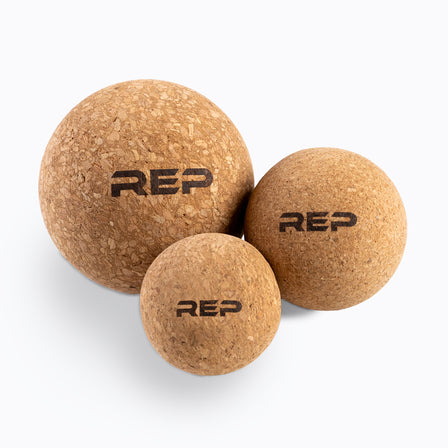
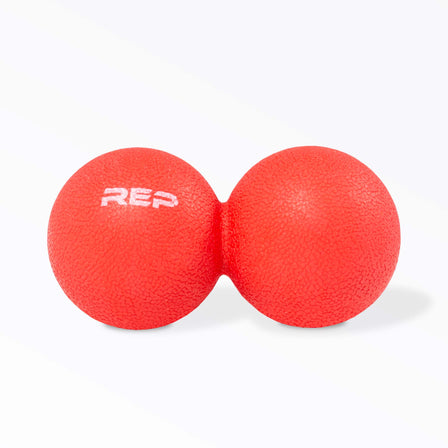
Softer rollers are more forgiving for beginners or sensitive areas, while high-density or textured rollers provide deeper pressure. For spine-adjacent trigger points, a peanut-style roller or small massage ball can reach spots a full-length roller may miss.
How thick should a yoga or exercise mat be for mobility work?
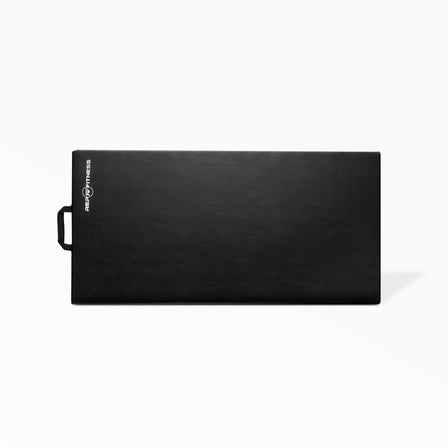
About 3–7 mm suits general yoga and balance work, while thicker mats (6–10+ mm) add knee and back cushioning for floor-based mobility. If you’re unsure, a mid-range thickness offers a good balance of grip and comfort.
What flooring should I use under mobility gear?
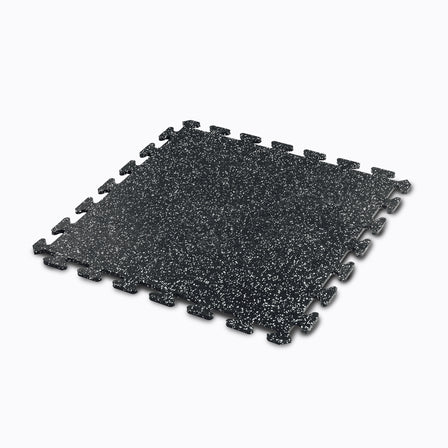
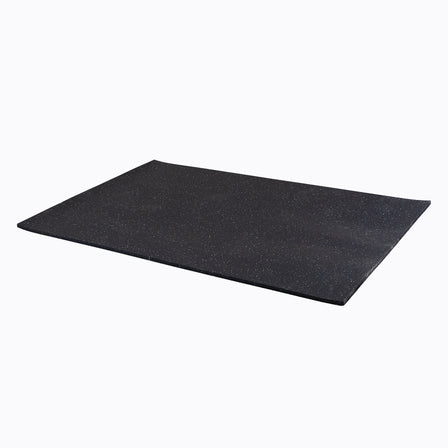
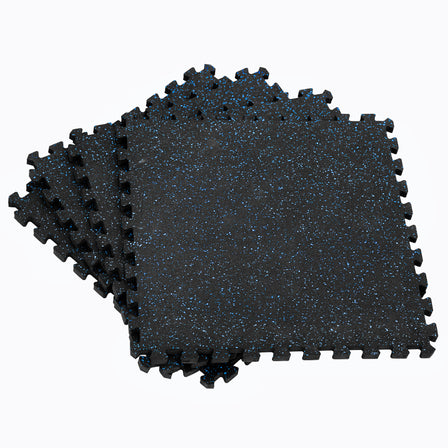
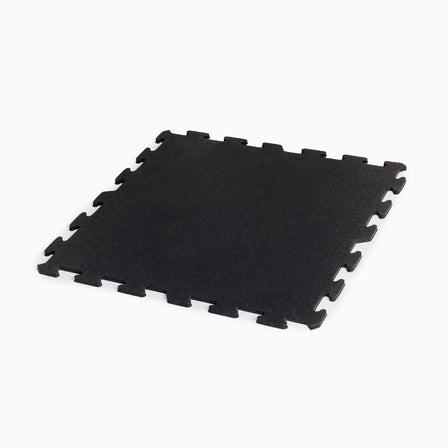
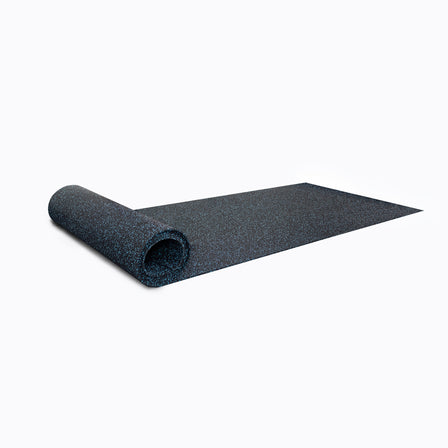
Interlocking tiles are the easiest DIY option, rubber mats/rolls provide the most durability and impact protection, and foam tiles prioritize cushion over heavy lifting. REP offers all three styles; for thickness and installation tips, check our gym flooring guide.